

What You Will Learn in This Complete Guide
- ✓Stop LDL Oxidation First: Cholesterol only forms dangerous arterial plaque when oxidized by free radicals; Pomegranate and Berries prevent LDL oxidation.
- ✓Potassium vs. Sodium Balance: Eating 1 Pink Guava and 1 bowl Pomegranate daily supplies natural potassium that flushes excess sodium to lower high BP.
- ✓Soluble Beta-Glucan & Pectin Fiber: Oats, Barley (Jau), and Guava trap bile acids in the gut, forcing the liver to clear LDL cholesterol from the blood.
1. The Science of Arterial Plaque & How Fruits Protect the Endothelium
The inner lining of your heart's arteries—the endothelium—produces a gas called Nitric Oxide (NO) that keeps arteries wide, smooth, and flexible. High blood pressure, smoking, diabetes, and trans fats strip away Nitric Oxide and oxidize LDL particles into sticky arterial plaque.
Pomegranate (Anar), Red Grapes, Berries, and Pink Guava restore endothelial Nitric Oxide synthase (eNOS) and boost PON-1 enzyme activity, stabilizing plaques and improving myocardial perfusion.
- •Morning Ritual: 1 clove raw crushed garlic + 4 soaked walnuts + 6 peeled almonds at 7:00 AM.
- •11:00 AM Heart Fruit: 120g fresh ruby Pomegranate arils or 1 crunchy Pink Guava.
- •Cooking Oil Rule: Limit total oil to <3 tsp/day; rotate cold-pressed Mustard (Kachi Ghani) and Olive/Rice Bran oil; zero reheated oil.

Why Targeted Fruit & Superfood Therapy Matters in Heart Blockage, High BP & Cholesterol
Coronary Artery Disease (CAD), hypertension, and dyslipidemia occur when oxidized LDL ('bad') cholesterol penetrates the inner lining (endothelium) of coronary arteries, triggering chronic inflammation and atherosclerotic plaque buildup.
Cardioprotective fruits act through three proven clinical pathways: boosting endothelial Nitric Oxide (NO) to dilate blood vessels, inhibiting LDL cholesterol oxidation via polyphenols (Punicalagins & Resveratrol), and binding dietary bile acids in the gut via soluble pectin fiber.
Cardioprotective Indian Foods & Clinical Lipid Impact
| Food / Fruit | Bioactive Compound | Lipid & BP Effect | Daily Dosage |
|---|---|---|---|
| Pomegranate (Anar) | Punicalagins & Punicic Acid | Reduces LDL oxidation & boosts Nitric Oxide | 1 Bowl (120g) at 11:00 AM |
| Pink Guava (Amrood) | Potassium (417mg) + Pectin | Lowers systolic BP & binds gut cholesterol | 1 Medium Fruit at 4:00 PM |
| Soaked Walnuts | Plant Omega-3 (ALA) + L-Arginine | Lowers Triglycerides & improves vessel elasticity | 4 Halves Soaked at 7:00 AM |
| Oats & Barley (Jau) | Beta-Glucan Soluble Fiber | Reduces total & LDL cholesterol by 8–12% | 1 Bowl at 8:30 AM Breakfast |
Top 3 Doctor-Recommended Fruits for Heart Blockage, High BP & Cholesterol
Detailed bioactive nutrients, cellular mechanisms, and preparation protocols for each fruit (click any fruit card to open its dedicated monograph):
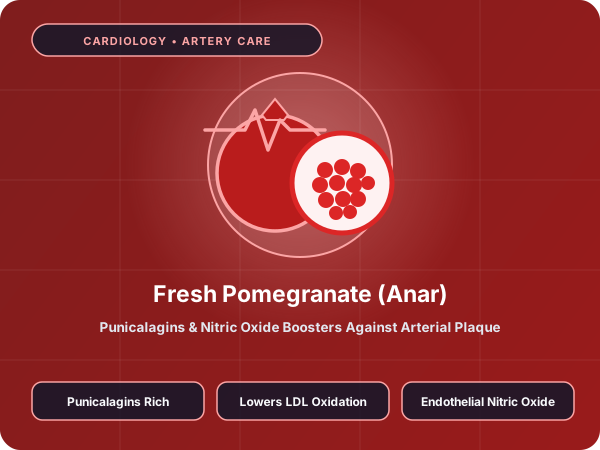
Rich in punicalagins & antioxidants that reduce arterial plaque thickness, prevent LDL oxidation, and improve blood flow to the heart.
Pomegranate contains Punicalagins and Punicic Acid—antioxidants with 3x the free-radical scavenging potency of green tea. Clinical carotid ultrasound studies demonstrate that daily pomegranate intake activates PON1 (Paraoxonase-1), an HDL-associated enzyme that breaks down oxidized lipid peroxides in arterial walls.
It protects endothelial Nitric Oxide Synthase (eNOS), allowing coronary arteries to relax and lowering systolic blood pressure by 5–12 mmHg over 12 weeks.
Its natural anti-platelet activity reduces blood viscosity and thrombotic clot risk without irritating the stomach lining.
Prevents foam-cell formation and slows coronary plaque progression.
Counteracts excess sodium and relaxes vascular smooth muscle.
Reduces triglycerides and vascular inflammation (hs-CRP).
Binds cholesterol in the small intestine to lower serum LDL.
Eat 1 bowl of fresh pomegranate arils mid-morning, chewing the inner seeds gently to release punicic acid and insoluble fiber.
Cook steel-cut or rolled oats in water/skimmed milk, cool slightly, and top with ½ cup fresh pomegranate arils, 4 crushed walnuts, and ½ tsp cinnamon.
For patients recovering from bypass surgery or angioplasty with low appetite, blend 1 cup pomegranate arils without sugar or ice and drink unstrained.
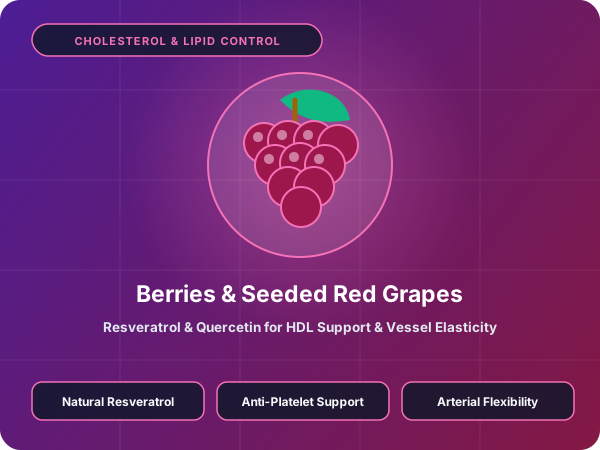
Contains resveratrol, quercetin & anthocyanins that lower bad LDL cholesterol, boost HDL, and relax stiff blood vessels.
The skin and seeds of dark red/black grapes and berries are rich in Trans-Resveratrol and Proanthocyanidins, which activate Sirtuin-1 (SIRT1) longevity pathways in cardiac myocytes and vascular endothelium.
Quercetin and berry anthocyanins inhibit platelet aggregation and down-regulate vascular cell adhesion molecules (VCAM-1), preventing circulating monocytes from sticking to coronary artery walls.
Enhances endothelial nitric oxide and protects against ischemia-reperfusion injury.
Strengthens arterial collagen and elastin fibers.
Acts as a natural ACE-inhibitor cofactor to support healthy blood pressure.
Reduces hepatic cholesterol synthesis.
Soak grapes in water with 1 tsp baking soda for 15 minutes, rinse thoroughly, and eat 12–15 whole grapes with their skins.
Layer low-fat hung curd with fresh strawberries/blueberries and 1 tsp soaked chia seeds.
Soak 4–5 seeded black Munakka overnight in water; eat on an empty stomach for natural potassium and iron support.
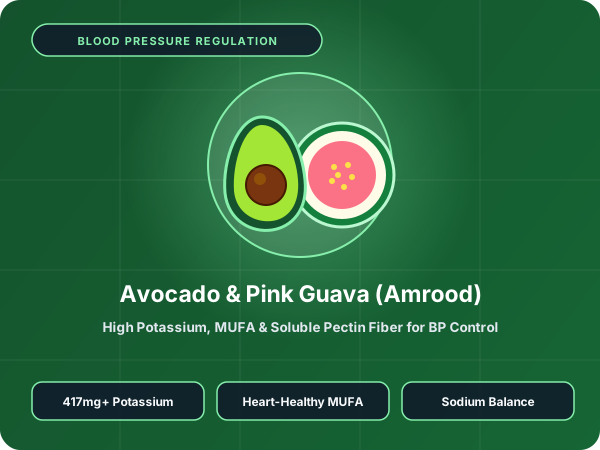
Packed with potassium, heart-healthy monounsaturated fats (MUFA), and soluble fiber to naturally regulate high blood pressure and triglycerides.
Indian Guava (Amrood) is a clinical superfood for cardiology: it contains 417 mg of Potassium per 100g (more than a banana!) with a glycemic index of just 24, plus 5.4g of soluble pectin fiber that traps dietary cholesterol in the gut.
Avocado provides Oleic Acid (monounsaturated fatty acid) and Beta-Sitosterol (plant sterol), which competitively block intestinal cholesterol absorption and raise protective HDL-2 cholesterol.
Promotes natriuresis (sodium excretion) to lower systolic and diastolic BP.
Blocks NPC1L1 cholesterol transporters in the gut, cutting LDL by 8–12%.
Reduces arterial intima-media thickness and oxidative stress.
Blunts post-meal triglyceride and insulin surges.
Slice 1 medium firm guava and sprinkle a tiny pinch of roasted cumin (jeera) and black pepper (avoid heavy white salt if hypertensive).
Mash ½ ripe avocado with lemon juice, 1 grated raw garlic clove (allicin), and flaxseeds over toasted sourdough or multigrain roti.
Lightly roast a guava over flame in winter for gentle digestion without throat irritation.
6-Meal Daily Therapeutic Diet Schedule (7:00 AM – 8:00 PM)
Endothelial Nitric Oxide Start
🍽️ 1 crushed garlic clove with warm water + 4 soaked Walnuts & 6 peeled Almonds
Clinical Role: Activates L-Arginine and Allicin for morning blood pressure control.
Beta-Glucan Soluble Fiber Breakfast
🍽️ Vegetable Oats or Jau (Barley) Daliya + 1 tsp ground Flaxseeds
Clinical Role: Traps dietary cholesterol and stabilizes morning blood sugar.
Polyphenol Plaque-Shield Snack
🍽️ 1 bowl (120g) Fresh Pomegranate Arils or 1 medium Pink Guava
Clinical Role: Delivers Punicalagins and Potassium to prevent LDL oxidation.
Cardioprotective Indian Lunch
🍽️ 2 Oats/Jowar Rotis + Lauki/Tinda/Palak Sabzi (cooked in <1 tsp mustard/olive oil) + Moong Dal + Cucumber Salad
Clinical Role: Low saturated fat, high potassium & magnesium meal.
Evening Antioxidant Break
🍽️ 1 cup Strawberries/Red Grapes + Unsweetened Green Tea or Hibiscus Tea
Clinical Role: Provides Resveratrol and natural ACE-inhibitory flavonoids.
Early Heart-Light Dinner
🍽️ Clear Vegetable & Garlic Soup + Grilled Tofu/Fish or Lauki Moong Khichdi
Clinical Role: Light sodium-controlled dinner 3 hours before sleep.
✅ Daily Healing Superfoods to Include
Rich in plant Omega-3 (ALA), L-Arginine (Nitric Oxide precursor), and Vitamin E.
Contains Beta-Glucan soluble fiber that chelates bile acids and lowers LDL cholesterol by 10%.
Allicin in crushed garlic reduces arterial stiffness and mildly inhibits HMG-CoA reductase.
⚠️ Foods & Habits to Strictly Avoid
Clinical Risk: Raises Lp(a), small-dense LDL, and triggers acute plaque rupture.
Clinical Risk: Increases intravascular fluid volume and spikes blood pressure.
Consult Top Cardiology Doctors & Flagship Center
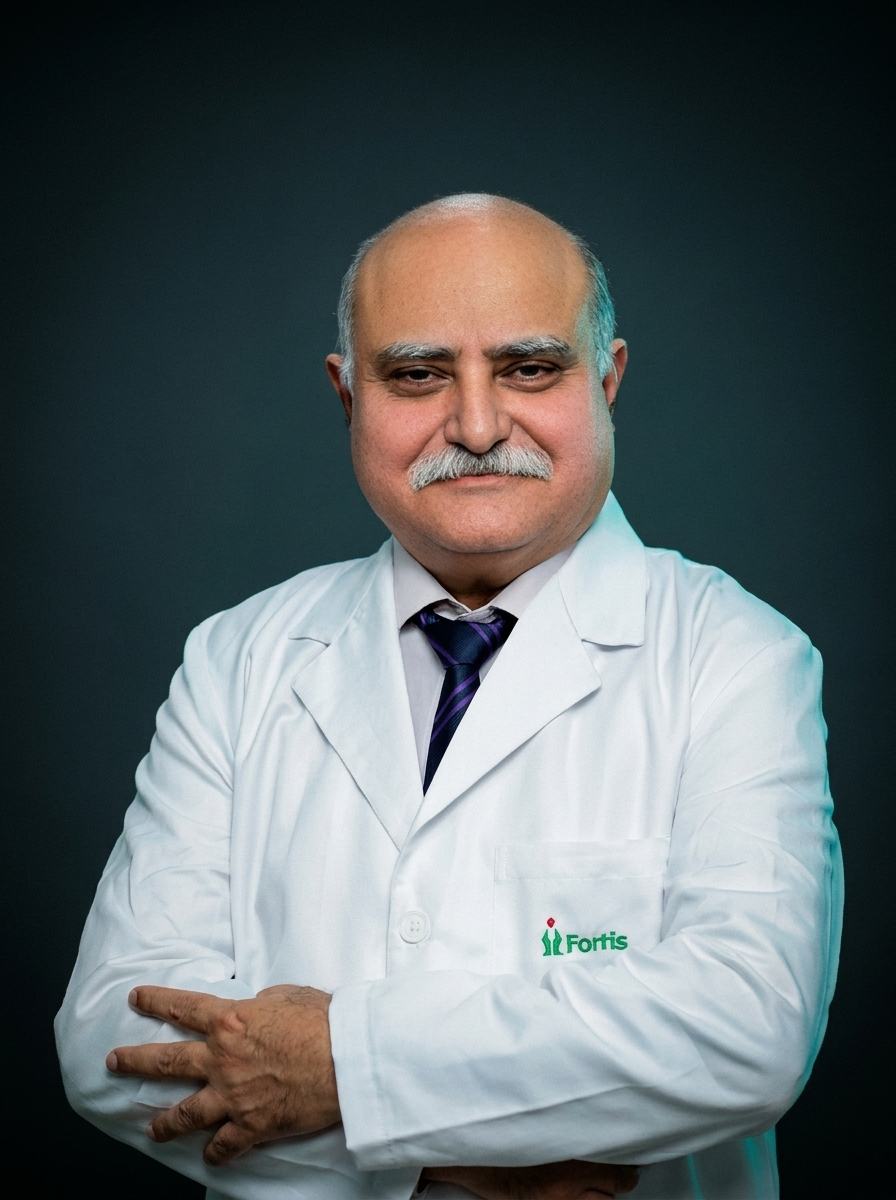
Recommended Tertiary Center: Medanta - The Medicity, Gurugram (CH Baktawar Singh Road, Sector 38, Gurugram, Haryana - 122001) • 24×7 Emergency: 1068 / 0124-4141414






Frequently Asked Patient Questions
Q: Can heart patients on blood thinners eat Pomegranate and Guava?
Yes, 1 small bowl of fresh whole Pomegranate or 1 Guava daily is safe and beneficial for most cardiac patients. Avoid concentrated commercial pomegranate extracts if taking Warfarin.
Q: Which fruit is best after cardiac angioplasty (stent) or bypass surgery?
Fresh Pomegranate (Anar), Pink Guava, Stewed Apple, and Papaya are ideal after angioplasty or CABG bypass surgery because they provide high antioxidants, potassium, and gentle soluble fiber that prevents constipation (avoiding straining on the chest).
More Evidence-Based Health & Diet Guides
View All Articles →
Dr. Shroff's Charity Eye Hospital (SCEH Daryaganj - sceh.net): Complete Patient Guide, OPD Timings & Specialties
Best Fruits for Eyesight, Retina Protection & Preventing Cataract Naturally

Top Super-Specialty Hospitals in Delhi, Gurgaon & Noida for Eye, Heart, Ortho & Gastro Care